

Preventing Falls at Home: Simple Steps for WNC Seniors |
Practical ways to improve lighting, reduce tripping hazards and protect balance as colder mountain weather approaches |
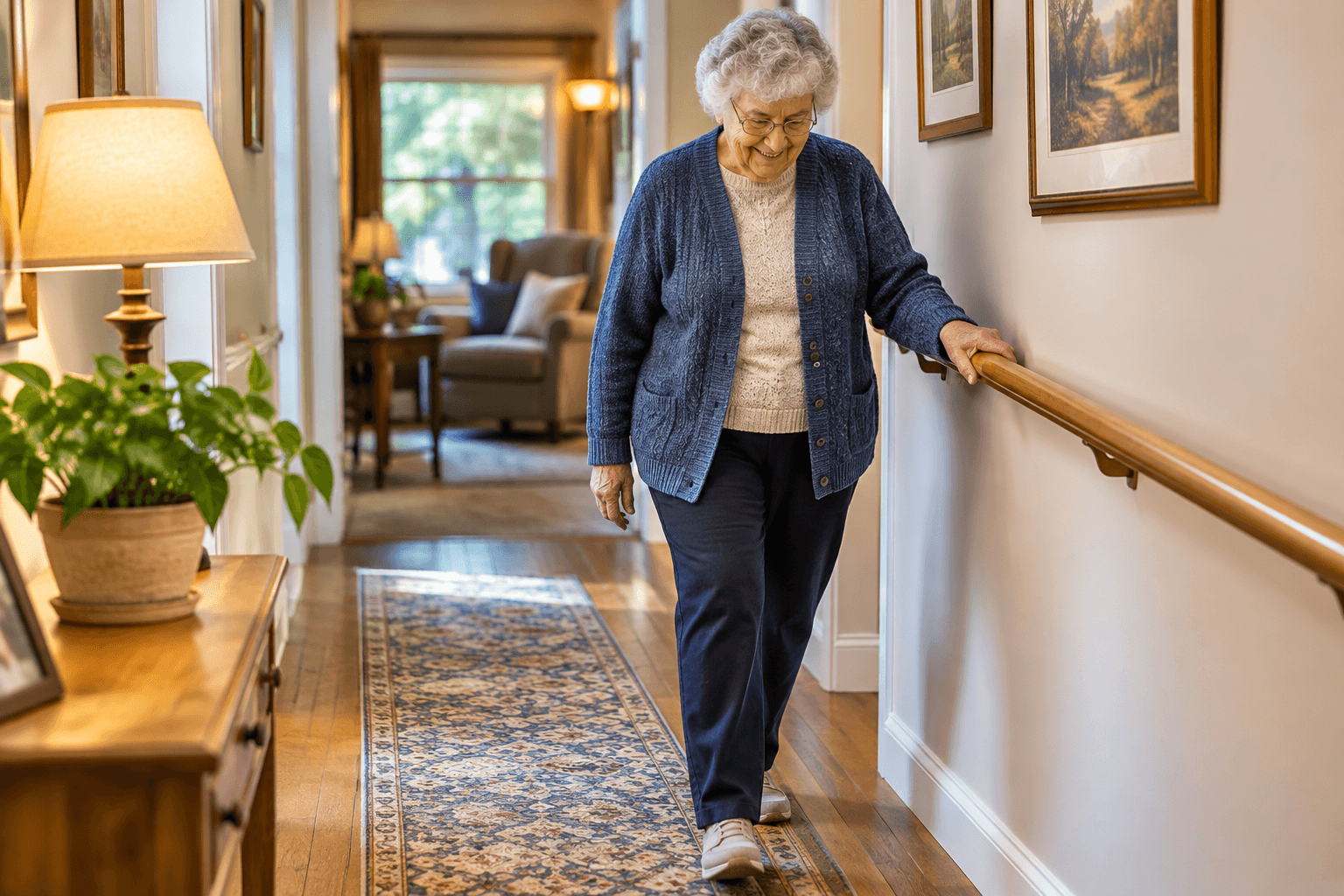
Small changes can help older adults stay steady
For many older residents of Western North Carolina, staying independent means feeling confident moving around the house, visiting friends and enjoying everyday activities.
Falls can interrupt that independence, but many common risks can be reduced with practical adjustments to the home and attention to balance, vision and medication effects.
With colder days bringing wet shoes, earlier darkness and occasional ice to mountain communities, this is a useful time for a fall-prevention check.
Start with the paths you use every day
Walk from the bedroom to the bathroom, kitchen and front door and look for anything that could catch a foot or make walking difficult.
Remove loose clutter and electrical cords from walkways, and either secure throw rugs with nonslip backing or remove them.
Keep frequently used items within easy reach so there is less temptation to climb on a chair or stretch awkwardly for a high shelf.
Make sure floors stay dry and use nonslip mats where water frequently collects.
Lighting matters, especially at night
A dark hallway or stair landing can turn an ordinary trip to the bathroom into a hazard.
Add night-lights between the bedroom and bathroom, replace dim bulbs, and keep a lamp or reachable light switch beside the bed.
Check that stairways have reliable lighting and sturdy handrails, preferably on both sides where practical.
On porches and steps, clear wet leaves promptly and keep outdoor lighting working as daylight hours shorten.
Make bathrooms safer
Bathrooms deserve extra attention because wet surfaces are slippery and many people need to turn or step over a tub edge.
Consider professionally installed grab bars near toilets and in showers, along with nonslip surfaces.
A shower chair or handheld showerhead may help people who have trouble standing for long periods, but the right equipment depends on individual mobility needs.
Towel racks and shower doors should not be used as substitutes for properly anchored grab bars.
Build strength and check your balance
Regular movement can support strength, flexibility and balance.
Walking, supervised strength exercises and programs such as tai chi can be useful, with activities adapted to a person's health and mobility.
Anyone who has recently fallen, feels unsteady or is starting an unfamiliar exercise program should ask a healthcare professional about a safe plan or physical therapy.
An assessment can help identify problems with gait, balance or assistive devices before they lead to injury.
Review medicines, vision and footwear
Some prescription and over-the-counter medicines can contribute to dizziness, sleepiness or changes in blood pressure.
Ask a pharmacist or healthcare professional to review medicines and possible interactions; do not stop prescribed treatment without guidance.
Keep vision exams current and wear glasses suited to the activity.
Choose supportive, well-fitting shoes with slip-resistant soles rather than loose slippers or socks on smooth floors.
Plan for Western North Carolina conditions
In mountain homes, steep driveways, uneven paths and steps can become harder to navigate during rain, frost or winter weather.
Keep walkways clear, use railings, and arrange help with icy steps or outdoor chores when necessary.
Older adults living alone may also benefit from carrying a charged phone or wearing an emergency-alert device and arranging a check-in plan with someone they trust.
When to seek help
A fall, a near-fall or a new fear of falling is worth discussing with a healthcare professional, even when there is no obvious injury.
Seek urgent medical care after a fall involving a head injury, loss of consciousness, severe pain or an inability to get up safely.
The goal is not to avoid activity; it is to make daily movement safer so people can keep enjoying their homes and communities.
One room, one handrail and one conversation at a time can make a meaningful difference. |
0 Comments
Join the conversation
Be the first to comment
Share your thoughts above.