

Henderson County’s $25 Million Farmland Bond Faces Next Steps |
Voter approval opens questions about easements, oversight and conservation priorities |
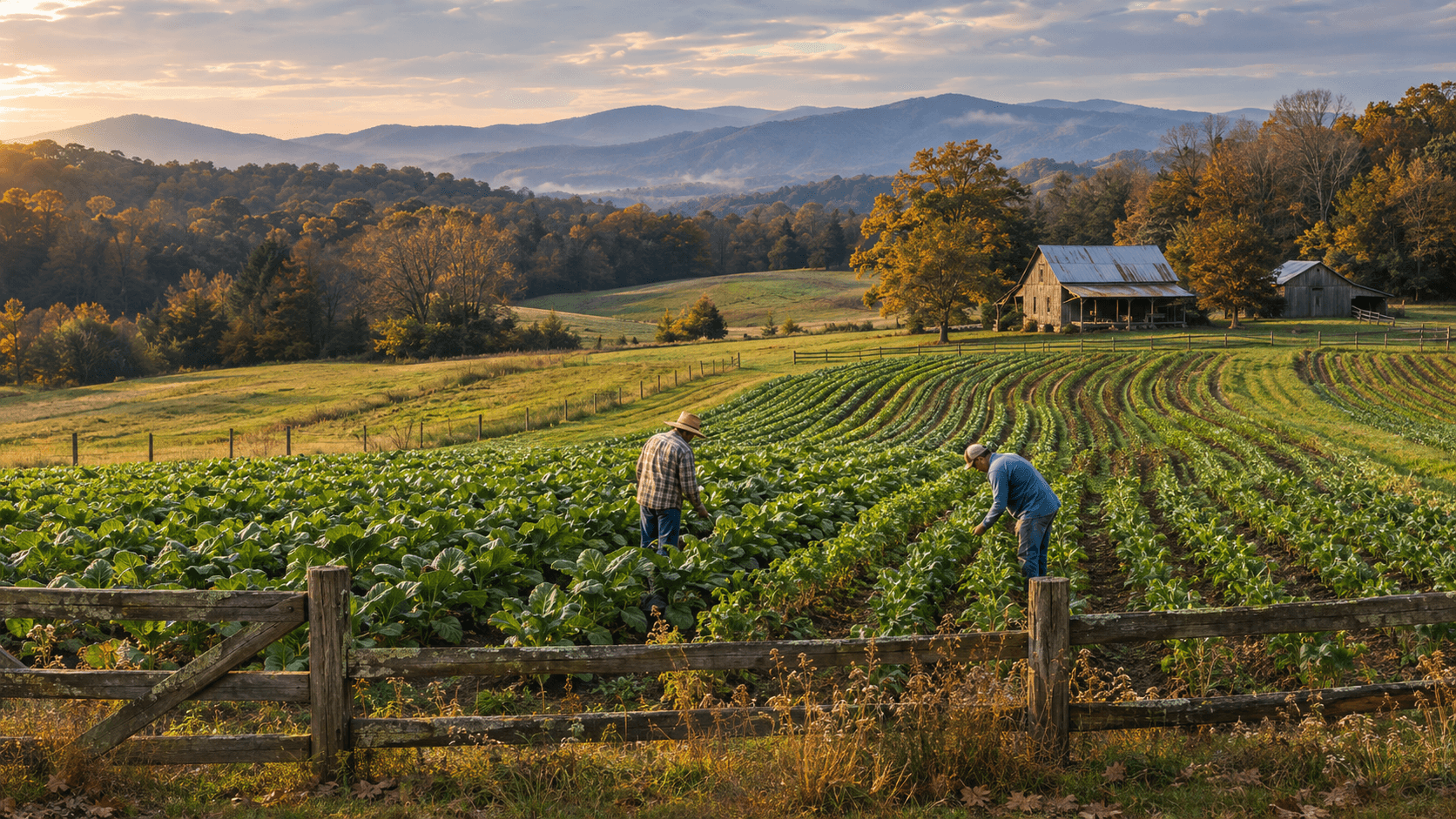
Approval at the ballot box was the beginning, not the end, of Henderson County's effort to protect working land from development.
Voters supported a $25 million general obligation farmland preservation bond on November 3, providing a potential new funding tool for farmland, forests and scenic landscapes.
The result gives the county authority to borrow up to the approved amount, but it does not automatically spend the entire sum or place individual properties under protection.
Local officials and conservation advocates must now work through policies governing how projects are selected, who administers the money and which organizations will hold conservation easements.
The county's existing Farmland Preservation Program provides a starting point.
Under the voluntary approach, interested landowners may be paid for development rights while retaining ownership of their farms.
Those restrictions are designed to keep protected properties in agricultural or conservation uses across future changes in ownership.
Participation is voluntary, an important distinction for families weighing long-term farm income, land values and inheritance plans.
The public debate now moves from whether conservation deserves funding to how the funding should be used fairly and effectively.
Questions include how to rank applications, whether smaller family farms can participate alongside larger properties and how conservation agreements will be monitored over time.
Farm advocates also want clarity about the entity responsible for holding and enforcing the easements.
The measure addresses an increasingly visible concern in Henderson County, where residential growth competes with orchards, pastures and other working landscapes.
Preserving land can help maintain the area's agricultural identity, but conservation agreements also carry permanent obligations that owners should understand before signing.
The bond is a borrowing authorization, so future issuances will require additional formal county action and public financial oversight.
Any debt service and possible property-tax effects remain important questions for county residents.
The county's public information on the referendum outlined the bond's proposed purposes before the election, and the implementation process is expected to provide opportunities for residents to follow the details.
Residents who want to stay engaged can monitor Henderson County Board of Commissioners meetings and the county's farmland-preservation program communications.
Farm families considering participation should seek information about eligibility, appraisal and easement terms rather than assuming the new funding is immediately available.
The key question now is implementation: how Henderson County converts voters' authorization into durable protection for farms and landscapes without losing transparency along the way. |
0 Comments
Join the conversation
Be the first to comment
Share your thoughts above.