

More Than 340,000 North Carolina Households Faced Housing Insecurity After Helene |
Unveiling the Harsh Reality: The Impact of Helene on North Carolina Housing |
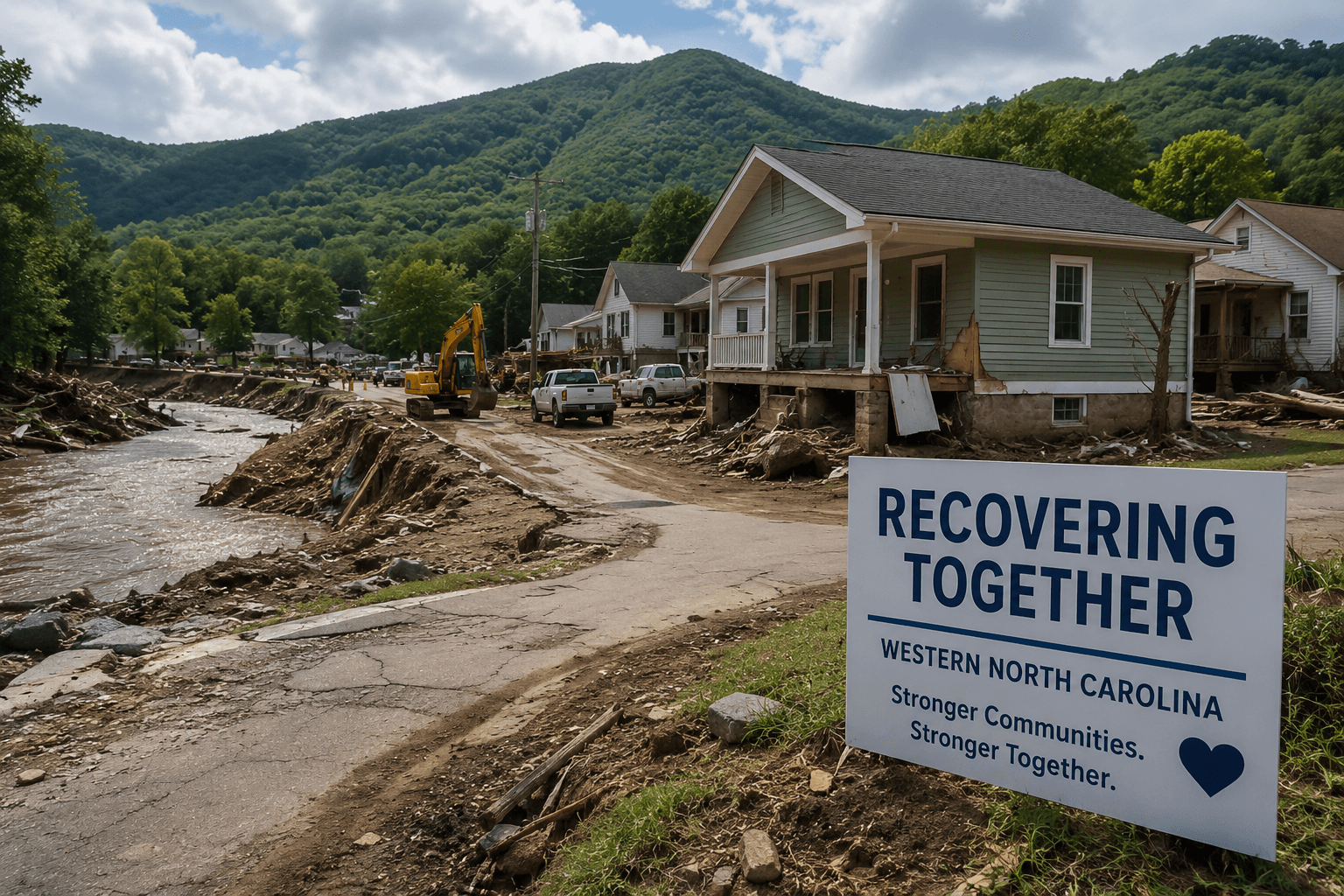
Nearly nine months after Hurricane Helene swept through Western North Carolina, a newly released statewide report paints a sobering picture of the recovery still underway. Researchers estimate that more than 340,000 North Carolina households experienced some form of housing insecurity following the storm, highlighting the long-lasting challenges facing families across the region.
The report found that nearly one in four North Carolina households encountered problems ranging from damaged homes and temporary displacement to rising housing costs and uncertainty about long-term recovery. While the findings cover the entire state, many of the hardest-hit communities were in the mountains, where flooding, landslides, and infrastructure damage left lasting scars throughout Buncombe and surrounding counties.
For many Western North Carolina residents, the numbers simply confirm what they have witnessed firsthand over the past several months. Repairs continue on damaged homes, affordable housing remains in short supply, and many families are still working through insurance claims, rebuilding projects, or the search for permanent housing.
The report arrives just days after the federal deadline for most FEMA disaster assistance applications related to Hurricane Helene. Although that filing deadline has passed, officials continue to encourage residents who already submitted applications to pursue appeals if they believe their claims were incorrectly denied or if additional documentation becomes available. State agencies and nonprofit recovery organizations also continue to provide assistance through a variety of long-term recovery programs.
Housing advocates say the recovery effort has increasingly shifted from emergency response to long-term rebuilding. Many communities are now focused on replacing lost housing stock, repairing aging infrastructure, and helping residents navigate complex rebuilding and financial assistance programs.
For seniors living on fixed incomes, the recovery has presented unique challenges. Higher housing costs, contractor shortages, and delays in repairs have created additional obstacles for many older residents trying to remain in their homes. Local organizations continue to encourage neighbors to check on older adults during both the ongoing recovery and this week's summer heat.
While Western North Carolina has made significant progress since last fall, the report serves as a reminder that recovery is measured not only by repaired roads and reopened businesses, but also by families returning to stable housing. As communities continue rebuilding, local leaders say the focus remains on ensuring that recovery reaches every neighborhood, even long after the headlines have faded. |
0 Comments
Join the conversation
Be the first to comment
Share your thoughts above.