

I-26 Through the Mountains: Why the Debate Continues |
Article Sub Headline |
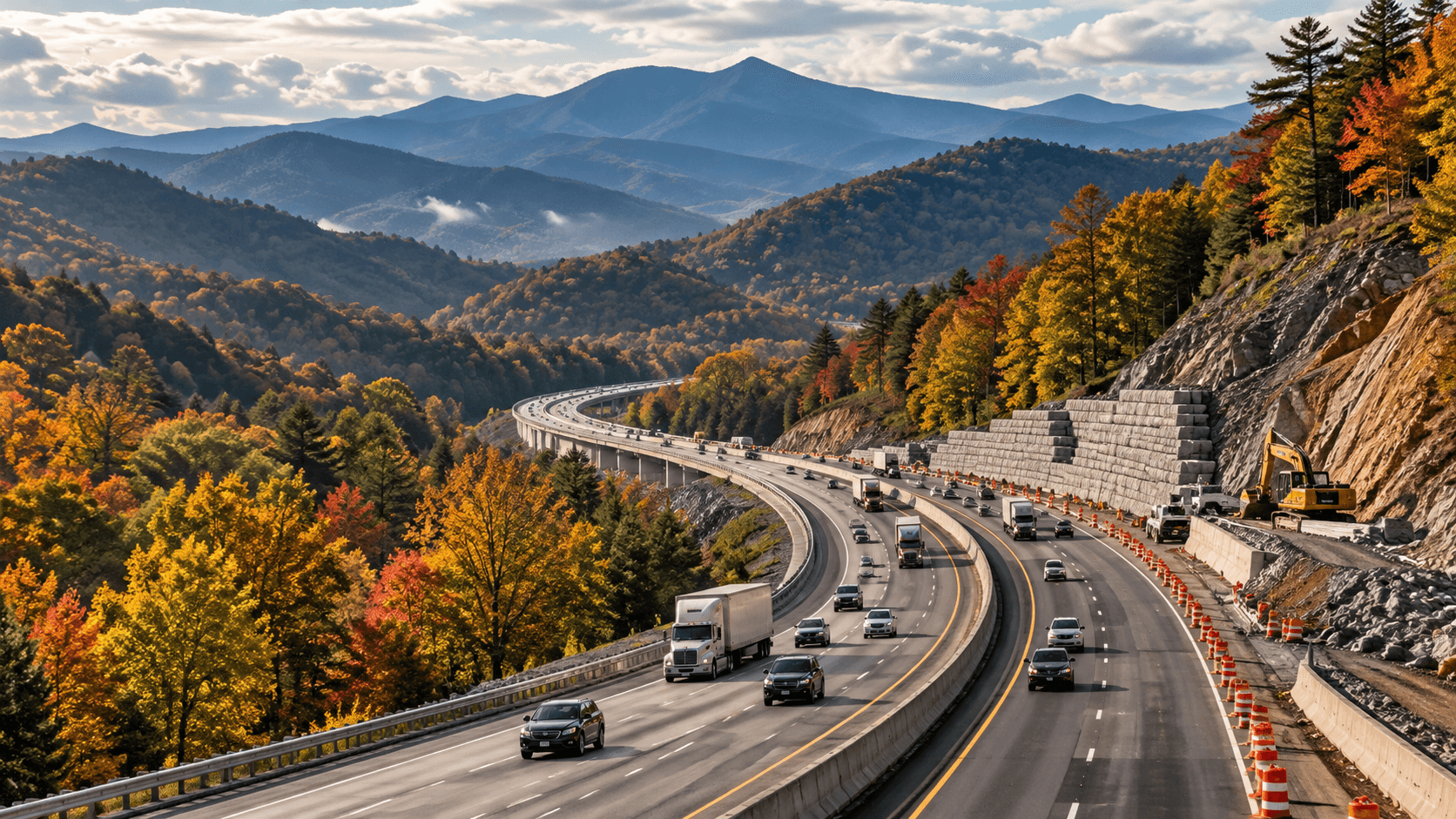
Interstate 26 plays an important role in travel and commerce across Western North Carolina, but the route's development has long been more complicated than a typical road-building project.
A recent Carolina Public Press report revisits years of controversy over highway plans through the mountains, including difficult terrain, construction costs and the effects of routes on communities.
The interstate links the Asheville area with communities to the north and south, and its importance is easy to recognize in a region where mountain geography limits transportation options.
Yet building highways through mountain corridors has consequences. Major road projects can change familiar landscapes, require property acquisition and disrupt neighborhoods and travel for years.
The current discussion invites readers to consider both sides of that legacy: the economic and mobility benefits of better connections and the long-term local costs of creating them.
For residents, the useful distinction is between the history of the I-26 corridor and specific construction announcements. Detours, travel times and lane restrictions change frequently, so motorists should consult the North Carolina Department of Transportation for current conditions.
As projects continue, the questions remain significant: How can the region improve travel safely, preserve communities and account for the unique challenges of building in the mountains? |
0 Comments
Join the conversation
Be the first to comment
Share your thoughts above.